
Washer Not Spinning — Clothes Coming Out Soaking Wet
Clothes that come out of the washer dripping wet — or a drum that does not spin at all — is the second most common washer repair call in California. The cause depends almost entirely on whether you have a top-load or front-load machine. Diagnosis is the hard part. Most washer not spinning failures, once correctly identified, are repaired in a single visit.
These two symptoms feel the same but have different causes. Check:
- →Still water in the drum? That is a drain failure — the machine never reached spin because it could not drain first
- →Drum empty but clothes soaked? The drum drained but the spin cycle failed or was too weak to extract water
This distinction matters because it changes the entire diagnostic approach and the repair needed.
☎ Call to ConfirmWasher Not Spinning vs. Drain Failure — Why the Distinction Matters
Most repair guides treat “clothes still wet” and “washer not spinning” as the same problem. They are not. The distinction determines which components a technician tests first and what parts, if any, need replacing.
Standing Water Remains in the Drum
When the machine cannot drain, it will not advance to spin — because spinning a drum full of water would damage the machine. The spin failure is a consequence of the drain failure, not a separate problem.
- Error code appears (LG OE, Samsung 5E, Whirlpool F21)
- Water visible in the drum after the cycle ends
- Machine may have stopped mid-cycle
- Clothes are wet AND there is standing water
Fix the drain failure first. Once the drain system is working, spin will typically resume normally. See the full washer not draining diagnostic guide.
Washer Not Spinning —Drum Emptied But Clothes Are Still Wet
The drain cycle completed — water left the drum — but the spin cycle either did not occur, ran at reduced speed, or did not reach the RPM needed to extract water from clothing. This is a genuine spin-system failure.
- No error code, or UE / Ub (unbalanced load) code
- Drum is empty but clothes come out soaked
- Machine completed the cycle normally according to the display
- May hear motor running but drum not spinning
This is the true spin failure. Causes differ significantly between top-load and front-load machines — covered below.
Why are my clothes still wet after the wash cycle?
If clothes come out of the washer still soaking wet, the machine either did not spin or did not spin fast enough to extract water. The most common causes are: an unbalanced load that triggered the machine to reduce spin speed as a safety measure (try redistributing the load and running spin-only), a failed lid switch or door lock that prevented the spin cycle from engaging, a worn drive belt that cannot maintain spin speed under load, or a drain failure that prevented the machine from advancing to spin at all. The cause depends on your washer type and whether there is still water in the drum.
Washer Not Spinning Causes — Top-Load vs. Front-Load
A top-load agitator washer and a front-load washer share almost no spin-system components. Diagnosing them requires a different approach — which is why knowing your machine type before calling saves time on both sides.
Top-Load Washer — Spin Failures
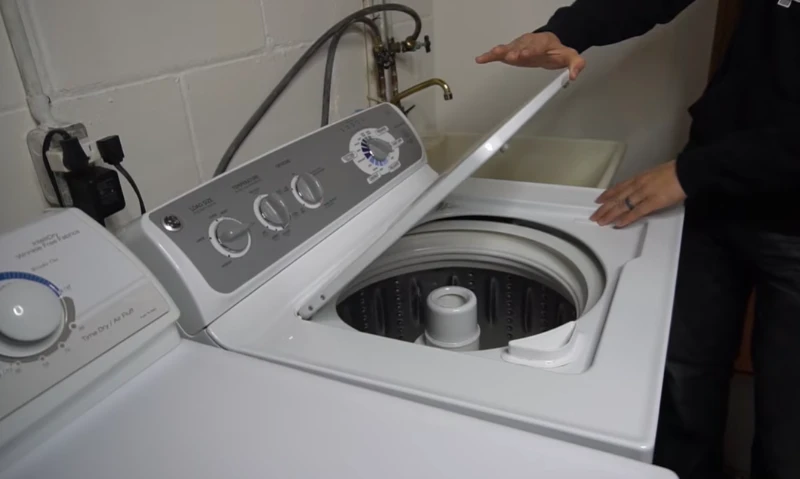
Lid Switch Failure
The lid switch prevents the spin cycle from engaging when the lid is open. When it fails in the “open” position, the machine fills and agitates normally but will not spin — even with the lid fully closed. This is the single most common top-load spin failure. The machine may appear to complete the cycle display while never actually spinning. A $42–$80 part, typically on the service truck.
Drive Belt Failure (Belt-Drive Models)
GE, Kenmore, and some Samsung top-loaders use a rubber belt between the motor and drum. A worn belt causes squealing during the spin attempt; a broken belt means the motor runs but the drum does not move at all. You may hear the motor humming with no drum movement. Common in machines 7–12 years old.
Motor Coupling Failure (Whirlpool / Maytag Direct-Drive)
The plastic coupling between the motor and pump is designed to break first under overload — protecting the motor. When it fails, the motor runs but neither the drum nor the pump moves. The machine sounds normal (motor hum) but does nothing. A $15–$25 part. Requires partial disassembly on Whirlpool/Maytag direct-drive platforms.
Worn Agitator Dogs (Agitator Models)
Agitator dogs are the ratcheting plastic cams inside the agitator hub that engage the drive mechanism. When worn smooth, the agitator rotates freely in both directions without moving the load — the drum spins but clothes are not moved through the water. This produces “clothes came out still dirty” rather than “clothes came out wet,” but is often reported as a spin problem.
Transmission Failure
The transmission converts motor power to the agitation and spin motion. On older Whirlpool, Maytag, and Kenmore agitator machines, the transmission gear case can wear out after 12–15 years of heavy use. The symptom is loud clunking during spin or an agitator that moves but cannot generate meaningful spin speed. A more complex and expensive repair — often approaching the replacement decision threshold on older machines.
Front-Load Washer — Spin Failures
Door Lock Assembly Failure
Front-load washers will not spin unless the door lock assembly confirms the door is latched. When the lock fails, the machine may complete filling and washing, then halt before spin — the safety circuit prevents drum rotation with a potentially unlatched door. The symptom is identical to a spin motor failure until the lock is tested. A $140–$260 repair that is usually completed same-visit.
Worn Drum Bearings
When front-load drum bearings wear out, the drum loses its smooth rotation and the machine begins reducing spin speed as friction increases — first producing slightly damp clothes, then increasingly wet clothes, then refusing to spin at high speed altogether. The characteristic warning sign is a roaring or grinding noise during the spin cycle that progressively worsens over weeks.
UE / Ub Error — Genuine vs. Sensor Fault
Most front-loaders detect load imbalance and reduce spin speed or halt spin entirely to prevent drum damage. A legitimate unbalanced load (one heavy item, e.g., a single jeans jacket) triggers this correctly. But on Samsung and LG front-loaders, a failing drum position sensor or suspension spring can trigger UE/Ub codes even on properly balanced loads — the machine thinks it is unbalanced when it is not. Distinguishing these requires testing the sensor, not redistributing laundry.
Motor Hall Sensor (LG LE Error)
LG front-loaders use a direct-drive motor with a hall sensor that monitors motor rotation. When the sensor fails, the motor does not know it is moving and reduces power output — which can manifest as weak spin or no spin. The LG LE error code specifically indicates this fault. Requires sensor or motor replacement.
Worn Shock Absorbers / Suspension Springs
Shock absorbers dampen drum movement during spin. When they wear out, the drum shifts excessively during high-speed spin — which the machine detects as an imbalance and responds to by reducing spin speed. The result is wet clothes without an apparent imbalance cause and without loud banging (the machine slows before it gets that far). More common in machines over 8 years old.
Before Calling — One Check That Costs Nothing
One cause of apparent spin failure is not a mechanical failure at all: a genuinely unbalanced load. Modern washers — particularly front-loaders and HE top-loaders — detect unbalanced loads during spin and either reduce speed or stop the spin cycle entirely rather than risk drum damage. The machine’s display may show no error, or may show UE (LG), Ub (Samsung), or just flash.
How to check for a genuine load imbalance
-
1
Open the door and redistribute
Spread wet items evenly around the drum. If there is one very heavy item — a single towel, denim jacket, or small rug — it creates an off-center weight that the machine cannot spin through safely. Break these up by adding a few similar items or separating them into two loads.
-
2
Run a spin-only cycle
Select “Spin Only” or “Rinse & Spin” from the cycle selector. If the machine spins normally, the problem was the load balance — not a mechanical failure.
-
3
If the spin-only cycle also fails — this is a mechanical problem
A machine that won’t complete even a spin-only cycle with an empty or balanced drum is exhibiting a real failure. Note the error code, the brand and type of machine, and any sounds during the spin attempt — then call.
Already tried redistributing and your washer is still not spinning? This is a mechanical failure that needs diagnosis. The most important thing you can tell a technician is whether the drum makes any noise during the spin attempt — silence means the motor or drive system is not engaging; roaring or grinding means bearings. This single piece of information narrows the diagnosis significantly before arrival.
What to Tell the Technician When You Call
The more specific the description, the better prepared the technician arrives — which increases the chance of a same-visit repair.
Front-load or top-load?
These machines have almost no overlapping spin-system components. This single piece of information determines which parts are brought and which tests are run first. If you don’t know, check whether the door opens from the side (front-load) or the top opens up (top-load).
Is there water in the drum?
Distinguishes drain failure (addressed first, spin follows) from spin-only failure. Two different diagnosis paths. Telling a technician “water still in drum” versus “drum is empty but clothes are soaked” immediately separates the two.
What sounds during spin attempt?
Silence = motor or drive not engaging (lid switch, belt, coupling, door lock). Roaring = drum trying to spin against bearing resistance. Humming without movement = motor running but drive system disconnected. Each sound points toward a different component.
Error code shown
LG UE/LE, Samsung Ub/3E/3C, Whirlpool codes — each points toward specific components. Take a photo before the machine powers off if possible. Even describing “it shows a code I can’t read” is helpful.
How WasherDoctor Diagnoses a Spin Failure
The repair path depends on correctly identifying which component failed — not on replacing the most likely guess.
Confirm: Drain or Spin?
First step on every spin call: check whether water remains in the drum. If it does, the drain system is addressed first — because a working drain often restores spin without any additional repair. This single check prevents misdiagnosis of the spin system on what is actually a drain failure.
Test Safety Circuits First
Lid switch (top-load) and door lock assembly (front-load) are tested before any motor or belt work. These $42–$260 components cause symptoms identical to motor failure and are far more likely to be the cause. The most expensive assumption is the last one tested, not the first.
Written Estimate Before Any Work
After identifying the fault, you receive a written estimate showing parts and labor separately. You choose whether to proceed. If the repair cost approaches 50% of replacement value on an older machine, that assessment is part of the conversation — before the work begins.
Washer Not Spinning — California Repair Cases
Three different machines, three different causes, three different costs. All resolved in California.
Machine Completed Every Cycle — Clothes Still Soaked. $158 Fix.
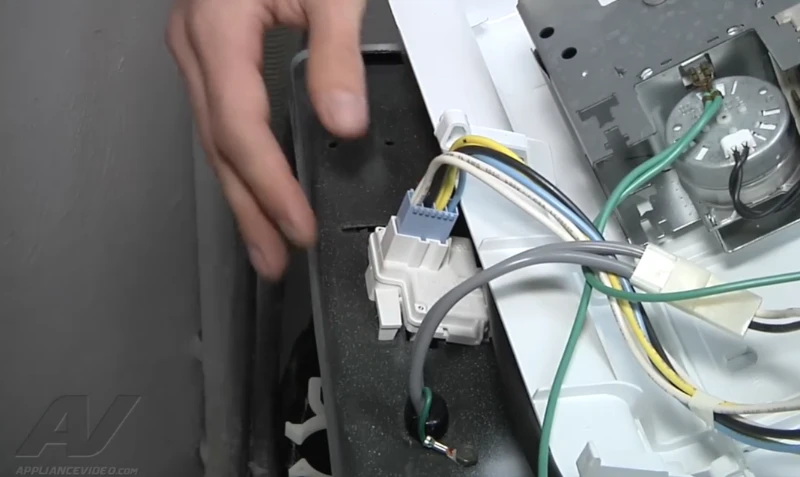
Symptom: Top-load Maytag completed full cycles — display showed Done — but clothes came out dripping wet. No error codes. Customer had tried redistributing loads with no change.
Diagnosis: Lid switch tested first. Switch failed in the open position, cutting the signal that authorizes spin while allowing agitation and drain to complete. The machine agitated and drained normally, then skipped spin entirely — finishing the cycle as if spin had occurred.
Repair: OEM lid switch replaced. Machine ran through a full spin-only test cycle with a load — drum spinning at full speed. Clothes dry (by washer standards) before technician left.
Wet Clothes for Months, Then Progressively Louder — Root Cause Was the Seal
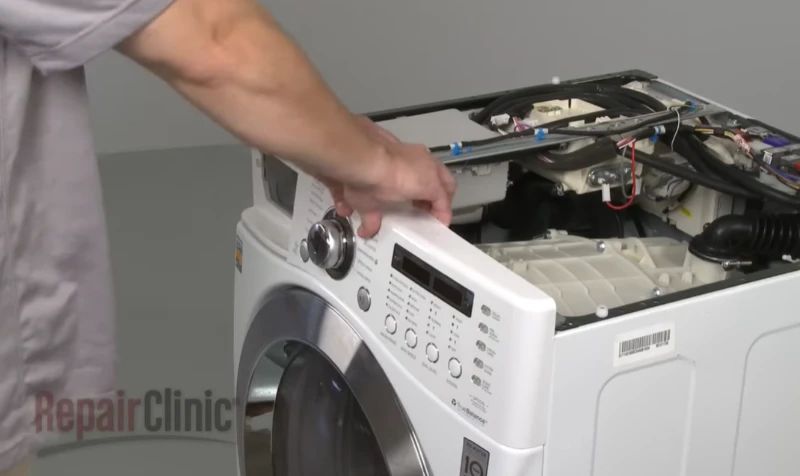
Symptom: Customer noticed clothes coming out wetter than usual about 4 months ago. Over time the spin seemed weaker, and a faint grinding noise during spin had grown to a roar. LG UE code appearing occasionally.
Diagnosis: Drum bearing failure — but the root cause was a cracked door boot seal that had been allowing water into the bearing housing for months. Bearings alone replaced without addressing the seal would recur within 1–2 years.
Repair: Door boot seal replaced first (root cause), then drum bearings. Full spin test — silent. At 6 years old, $295 repair vs. $900+ replacement was clearly sensible.
Motor Running, Drum Not Moving. $22 Part. 40-Minute Repair.
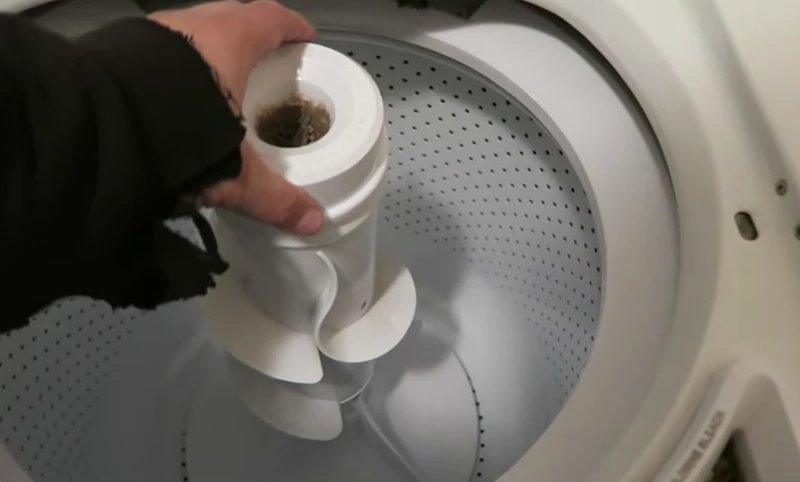
Symptom: Machine made normal startup sounds, motor clearly running — but drum did not move at all during either agitation or spin. Completely stationary drum despite audible motor operation.
Diagnosis: Motor coupling failure — the plastic coupler between the motor and drive shaft had broken, disconnecting the motor from the drum entirely. The motor was healthy; it simply was not connected to anything.
Repair: Coupling replaced ($22 part). Partial disassembly, straightforward execution. Machine tested through a full wash and spin cycle before departure.
Clothes Coming Out Wet? Most Spin Failures Are Fixed Same Visit.
Lid switches, motor couplings, door lock assemblies, and drive belts — the four most common spin failure causes — are stocked on the service vehicle for Whirlpool, Maytag, LG, Samsung, and GE. Diagnostic fee credited to your repair.
Related Problems That Are Sometimes Confused With Spin Failure
Washer Not Draining
If water remains in the drum, fix the drain first — the spin failure is a consequence. Standing water in the drum is always a drain system failure, not a spin system failure.
washer not drainingWasher Won’t Start
A machine that will not start at all — no cycle, no agitation, no spin — is a different failure from one that starts and runs but fails at the spin phase.
washer won’t startWasher Making Loud Noise
A roaring or grinding during spin is often the first warning sign of bearing failure — before clothes get noticeably wetter. Catching it early makes the repair more straightforward.
washer making loud noise during spinWasher Stops Mid-Cycle
If the machine halts before reaching spin — stops during the wash or drain phase — the cause is upstream: lid switch, drain fault, or door lock, not a spin system failure.
washer stops mid-cycleWasher Vibrating Excessively
A machine that shakes violently during spin may reduce spin speed or stop spin as a safety response — leading to wet clothes without an apparent mechanical failure.
washer vibrating excessively during spinSame-Day Service
Most spin failures are resolved same-visit. Call before noon for same-day scheduling across California — Saturday service at no extra charge.
same-day washer repairWasher Not Spinning — Questions & Answers
Answers to what people actually ask before calling about a spin failure.
The most common reason is that the spin cycle ran but at reduced speed — not fast enough to extract water effectively. This happens when the machine detects or simulates an unbalanced load (sensor fault or genuine imbalance), when worn shock absorbers or suspension springs allow excessive drum movement that triggers a speed reduction, or when drum bearings have worn to the point that high-speed rotation generates too much friction. It can also happen when a lid switch or door lock sends an intermittent signal — the machine partially engages spin but cuts it short. Try a spin-only cycle with a redistributed load; if it still fails, this needs diagnosis.
On a top-load washer, the lid switch is the most likely cause of spin failure. The clearest indicator: the machine runs through the fill and agitation cycle normally, then the drum sits silent during what should be the spin phase — with no error code, and the display advancing to “Done” as if spin occurred. Another way to check: with the machine off, open the lid and look for the small plastic or metal tab that presses the lid switch when the lid closes. If that tab is broken or misaligned, the switch never gets pressed. If the physical tab is intact, the switch itself may have failed internally — which requires a multimeter test to confirm, not a visual inspection.
Not necessarily. LG’s UE (unbalanced error) can have two sources: a genuine load imbalance (the machine is working correctly by slowing down), or a failing drum position sensor or suspension component that is sending false imbalance signals. If redistributing the load and running spin-only clears the UE error, the machine is working as designed. If UE appears repeatedly even on balanced or empty loads, you have a sensor or suspension spring failure that requires diagnosis. The distinction is important because the fix is completely different: a load redistribution costs nothing; a sensor replacement costs $140–$250.
In most cases yes, particularly for machines under 10 years old. The most common spin failure causes are inexpensive: lid switch ($120–$200 all-in), motor coupling ($100–$180), drive belt ($120–$220). These are all well under 50% of the $700–$1,100 cost of a replacement washer in California. The situation where spin repair may not make sense: drum bearing failure on a machine over 8 years old that also has a compromised door seal — the total repair cost ($250–$400) is reasonable, but if the machine has other developing failures, the calculus changes. A technician can assess the overall machine condition during the diagnostic visit.
On a Whirlpool or Maytag direct-drive top-load washer, a running motor with a stationary drum almost always means a broken motor coupling — the plastic connector between the motor shaft and the drive system. It is designed to fail first under overload to protect the more expensive motor. On a belt-drive machine (GE, Kenmore, older Samsung), the same symptom indicates a broken or completely worn drive belt. On a front-loader, a failed door lock can prevent drum movement even with the motor running. All three are straightforward repairs — the motor itself is rarely the failure.
Some spin failures are DIY-accessible. Agitator dog replacement is easy — a $18–$35 repair kit and 30 minutes. Motor coupling replacement on a Whirlpool direct-drive is moderate — requires removing the cabinet but no specialized tools. Drive belt replacement is also moderate. Lid switch replacement is straightforward once the switch is located. However: drum bearing replacement on a front-loader requires full rear disassembly and is not recommended without appliance repair experience. Door lock and sensor replacements on modern machines with electronic control systems are best handled by a technician who can test the circuit rather than guess which component to replace.
Washer Not Spinning? WasherDoctor Finds the Real Cause.
Same-day spin repair service across California. Written estimate before any work begins. Common parts stocked on the truck — most spin failures resolved in a single visit.